Blog
The Number Everyone Hits and Nobody Trusts
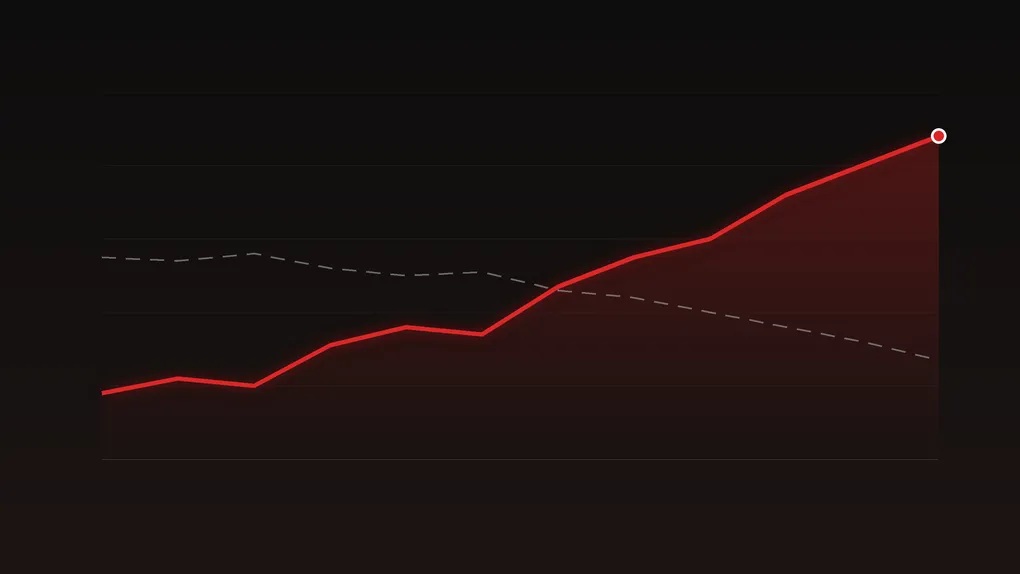
Years ago I sat in on a review at a leisure trust. Big screen, green numbers, everyone pleased with themselves. Attendance up. Retention up. The chief exec nodded at the graph and said the coaching had “clearly improved”.
I’d been watching those same sessions for months. I can tell you the coaching had not improved. It had got easier. The coaches had quietly worked out that the way to keep the numbers green was to keep every child happy, never stretch anyone, never risk a hard session that might put a few off. So they didn’t. The graph climbed. The coaching slid. And nobody in that room could see it, because the number said otherwise.
That afternoon taught me one of the most useful ideas I know. It has a name, and once you learn it you start seeing it everywhere.
Goodhart’s Law
An economist called Charles Goodhart said it decades ago, and it has been sharpened since into a single line worth pinning above your desk. When a measure becomes a target, it stops being a good measure.
Read it twice. It explains half of what goes wrong in a business without a single person meaning any harm.
The moment you tell people the number is the point, they will move heaven and earth to move the number. That is not them being dishonest. That is them being sensible. You told them what you are watching, so they hand you a good version of it. But the number was only ever a stand-in for the thing you actually cared about. Attendance was a stand-in for good coaching. Sales calls made is a stand-in for a healthy pipeline. Tickets closed within the hour is a stand-in for customers who feel looked after. Chase the stand-in hard enough and people will give you a beautiful stand-in while the real thing quietly rots underneath it.
You have almost certainly done this
I am not pointing at other people here. I have done it, and I would put money on you having done it too.
It is the shop that begs you for a five star review at the till, so the score stays high while the service stays ordinary. It is the support team whose “resolved in under an hour” target is hit by closing your ticket fast and reopening it later. It is the diary stuffed with meetings because someone decided a full calendar meant a productive week. It is the school that teaches the inspection instead of the children, because the inspection is what gets counted.
Every one of those started with a sensible person picking a sensible number. The rot does not come from bad people. It comes from a good number pointed at too hard.
The fix is not to stop measuring
Let me be clear, because this is where people overreact. You still need numbers. Running a business on gut feel and vibes is worse, not better. The fix is to hold the number more loosely, and to keep your own eyes on the actual thing.
Three habits do most of the work.
Name the real thing out loud. Not the number, the thing it stands for. “We track retention because we want kids who love this and keep coming back. The love is the point. The number is just the clue.” Say it often enough and people chase the thing, not the clue.
Watch what the target teaches. Every target quietly teaches people how to win. Ask yourself what yours is teaching. If the honest answer is “it teaches them to game it”, you have your answer, and it is time to change the target.
Never run on one number. A single metric is easy to chase and easy to fake. Two or three that pull against each other are much harder to cheat and far closer to the truth. Speed and quality. Growth and margin. Bums on seats and what people say on the way out. When the numbers argue with each other, you are usually looking at something real.
Back to that room
If I could go back to that leisure trust, I would not add another chart. I would add one question, asked out loud, every single month. What is this number making us do?
That is the whole game. A number is a torch, not a destination. It is there to throw light on the thing you care about, not to become the thing you care about. The day your people start serving the graph instead of the customer, the graph will look wonderful right up until the business does not.
If you have got a target that everyone hits and nobody quite trusts, that is often the first conversation I have with the businesses I work with. If it would help to have it, grab a free half hour with me.
So here is my question for your week. Pick your favourite number, the one you are proudest of. Then ask the uncomfortable version. What is it quietly teaching your people to do?